Why Your Online Visibility Depends on the Right Partner
A search engine optimization company helps businesses improve their rankings in search engines like Google. They drive organic traffic, leads, and revenue through strategies like keyword research, content optimization, technical fixes, and link building.
What SEO companies do:
- Keyword research – Find what your customers are searching for
- Content optimization – Make your pages rank for relevant searches
- Technical SEO – Fix site speed, mobile issues, and crawlability problems
- Link building – Earn authority from reputable websites
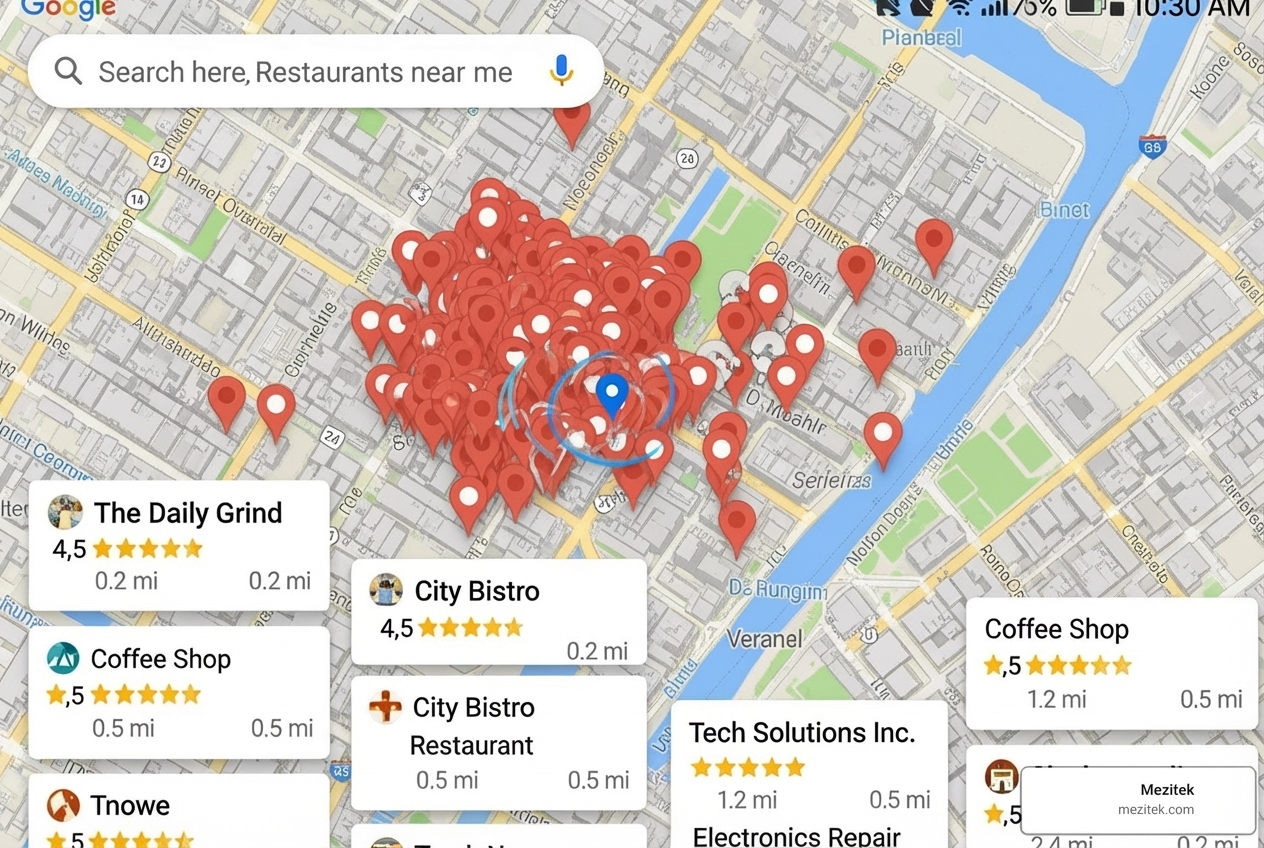
- Local SEO – Help local customers find your business (46% of Google searches are for local businesses)
- Tracking & reporting – Show measurable results and ROI
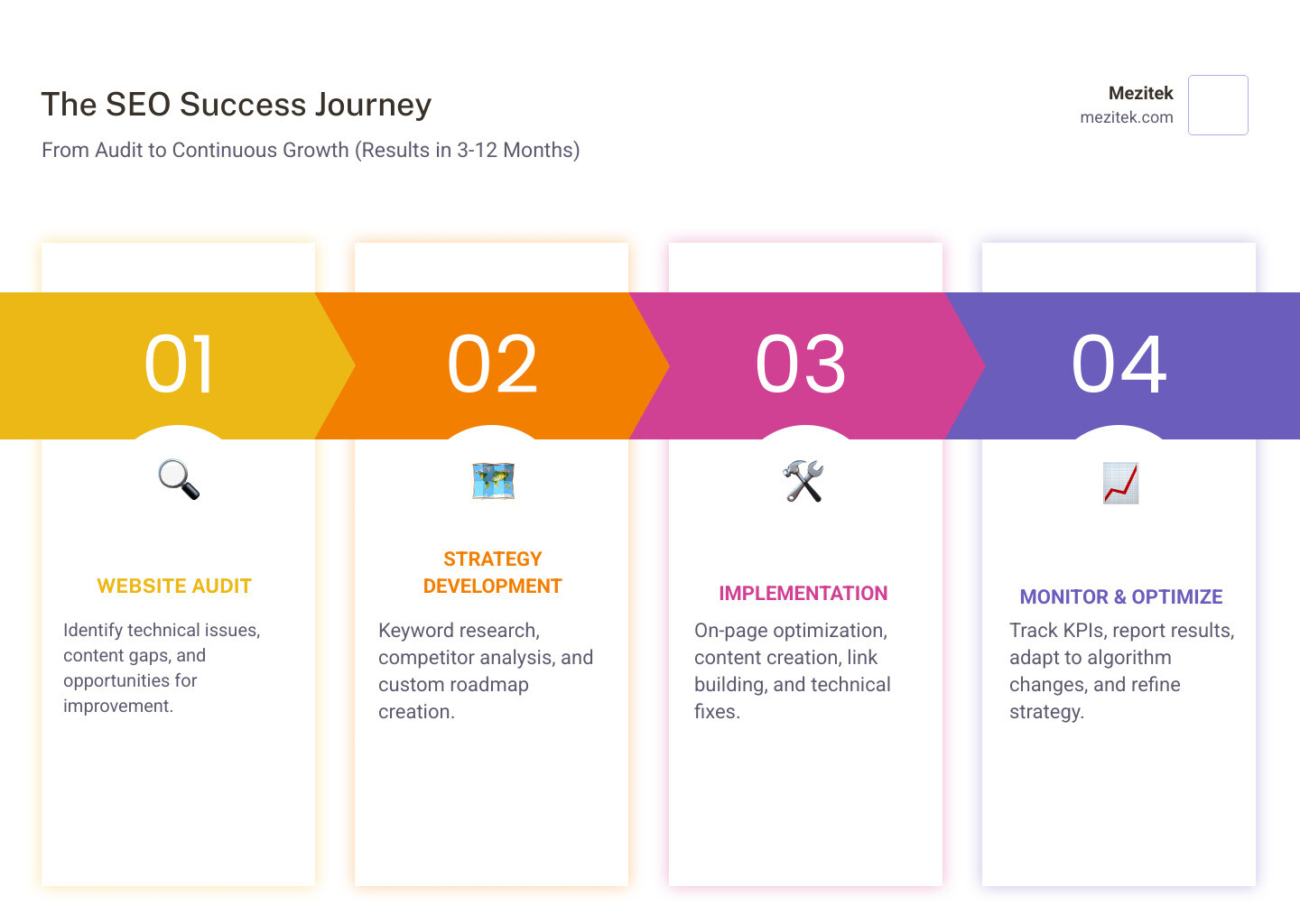
Most businesses see initial ranking movement in 3-6 months, with significant improvements taking 6-12 months or longer, depending on competition, industry, and your site’s current state.
The SEO landscape has changed dramatically in 2025. It’s no longer just about ranking in traditional Google search results. Now your content needs to appear in AI Overviews, ChatGPT responses, and other AI platforms where customers are increasingly doing their research.
If you’re a freelancer or small agency owner building websites for clients, understanding how to evaluate and partner with SEO companies is critical. Your clients need more than a beautiful website—they need one that actually gets found. This guide will show you how to evaluate SEO companies, what to expect, and how to spot the difference between a true expert and an amateur.
What is an SEO Company and How Do They Boost Your Business?
At its heart, a search engine optimization company is a strategic partner that makes your business visible online. Think of them as moving your website from a deserted alley to a busy main street, ensuring potential customers can find you by optimizing your site for how search engines work.
Their primary goal is to drive organic traffic—visitors who find you through search results, not paid ads. This traffic is valuable because it consists of users actively looking for what you offer, which leads to qualified leads and increased revenue.
While SEO is a powerful tool, it’s important to understand how it fits into the broader digital marketing landscape. Here’s a quick comparison of SEO with other popular digital marketing services:
| Feature | Search Engine Optimization (SEO) | Pay-Per-Click (PPC) | Social Media Marketing (SMM) |
|---|---|---|---|
| Goal | Organic visibility, long-term traffic, authority, leads | Immediate traffic, quick conversions, targeted ads | Brand awareness, community building, engagement, customer service |
| Cost Model | Investment in optimization efforts, content, links (no direct ad spend) | Pay per click (CPC) on ads | Organic (time/content) or Paid (ad spend) |
| Time to Results | Months to years (long-term asset) | Instantaneous once ads are live | Varies, can be quick for viral content, slower for organic growth |
| Sustainability | Sustainable, builds lasting assets and authority | Stops when budget runs out | Ongoing engagement required |
| Control | Indirect (influenced by algorithms) | High (ad targeting, budget, keywords) | Moderate (platform algorithms, audience response) |
| Traffic Type | Highly qualified, intent-driven | Qualified, but can be less intent-driven than organic | Varies, can be broad or highly targeted depending on campaign |
SEO is a long-term business asset. Investing in it builds a robust online foundation that attracts customers long after the initial work is done, helping the websites we design and build truly work for your business. For more on creating an effective online presence, see our innovative web solutions.
The Core Strategies and Techniques Used by SEO Experts
A top-tier search engine optimization company employs a multi-faceted approach, combining various strategies to ensure your website ranks higher and attracts the right audience. These are carefully executed processes rooted in a deep understanding of search engine algorithms and user behavior.
Keyword Research and User Intent
This is the bedrock of any successful SEO campaign. Experts use advanced tools to uncover the exact terms your potential customers use. This research clarifies user intent (e.g., buying, learning, or navigating) so content can be custom to their needs. It also includes competitor analysis to find keyword gaps and opportunities.
Content Optimization
Once we know what people are searching for, the next step is to create and optimize content. This means crafting engaging, original content that informs and persuades. Content optimization is more than just keywords; it focuses on:
- Uniqueness: Creating unique content that provides fresh value to avoid search engine penalties.
- User Experience (UX): Ensuring content is readable, well-structured, and visually appealing.
- Backend Optimization: Optimizing title tags, meta descriptions, and URLs to improve click-through rates.
- Internal Linking: Using strategic internal links to guide users and search engines, which improves site authority.
Technical SEO
Technical SEO happens behind the scenes to make your website accessible to search engines. Key aspects include:
- Site Speed: Optimizing images, code, and servers for fast load times.
- Crawlability: Fixing issues like broken links and redirect chains so search engines can easily crawl your site.
- Site Security: Implementing HTTPS for security, which is vital for user trust and rankings.
- Website Architecture: Creating a logical site structure with clear navigation for users and search engines. For a deeper dive, explore our guide on Best Practices for Website Architecture.
Link Building
When other reputable websites link to yours, it signals to search engines that your content is valuable. A good SEO company focuses on earning high-authority, natural, “white-hat” backlinks through tactics like:
- Earning Quality Links: Seeking links from relevant, authoritative sources to improve site credibility.
- Guest Blogging: Contributing valuable content to other industry websites with a link back to your site.
- Directory & Citation Submissions: Ensuring consistent and accurate business listings across online directories.
- Digital PR: Creating link-worthy content that attracts mentions from news outlets.
Local SEO
For businesses serving a specific geographic area, local SEO is non-negotiable. It puts you directly in front of nearby customers. Local SEO efforts include:
- Google Business Profile Optimization: Optimizing your Google Business Profile with accurate info, photos, and review management.
- NAP Consistency: Ensuring your business Name, Address, and Phone number are consistent online.
- Local Keyword Research: Targeting location-specific keywords (e.g., “SEO services Oakville”).
- Local Citations: Building mentions of your business on local directories and websites.
By mastering these core strategies, a top-tier search engine optimization company helps your business not just appear in search results, but truly dominate them.
The Future is Now: How AI is Reshaping SEO
The rise of Artificial Intelligence (AI) is dramatically changing search. Yesterday’s SEO tactics are no longer enough, and a forward-thinking search engine optimization company must lead the charge.
The shift is towards conversational search experiences on platforms like ChatGPT, Claude, or Perplexity. These AI systems provide direct answers, meaning your content must be optimized to be cited as a trusted source.
This new frontier is Generative Engine Optimization (GEO), which ensures your content is visible on these platforms. Implementing GEO provides a significant first-mover advantage, preventing loss of market share to competitors who appear in AI responses.
Key elements in this new AI-driven SEO landscape include:
- E-E-A-T (Experience, Expertise, Authoritativeness, Trustworthiness): Google’s E-E-A-T is more crucial than ever. AI prioritizes credible sources, so showcasing genuine experience and expertise is paramount for being cited in AI-generated answers.
- Structured Data: This acts as a roadmap for AI, helping it understand your content’s context and making it easier to use in generative responses.
- Semantic SEO: This involves optimizing for topics, not just keywords. Creating comprehensive, context-rich content helps AI understand your expertise on a deeper level.
Tools are also evolving to meet this challenge, with platforms like The #1 AI-powered SEO Platform emerging to help businesses steer this new environment.

For those building websites, leveraging AI is no longer optional. If you’re looking to integrate AI into your website design process, you might find our insights on Best AI Tools for Web Designers useful. The future of search is here, and it’s powered by AI.
How to Choose the Right Search Engine Optimization Company
Choosing the right search engine optimization company is critical. To find a partner that delivers real results, ask these key questions:
- What is your experience and track record? Look for a proven track record. Ask for detailed case studies that show how they’ve helped similar businesses achieve measurable results.
- How do you measure success and what kind of ROI can I expect? A good partner focuses on tangible business results like traffic, conversions, and revenue—not just rankings. They should track ROI and provide transparent reports.
- What is your communication style and how often will we connect? Clear communication is vital. Expect regular updates, strategic reviews, and easy access to your account manager. High client retention rates are a strong indicator of satisfaction.
- What strategies do you use, and are they “white-hat”? Ensure they use ethical, “white-hat” SEO techniques and can clearly explain their approach to keyword research, content, link building, and technical SEO.
- Do you offer guarantees for rankings? Be wary of any company that “guarantees” rankings. No legitimate agency can promise specific positions due to algorithm complexities. Such promises often signal risky “black-hat” tactics that can harm your site.
- What is your client intake policy? Ask about their client intake policy. Some top agencies only take one client per industry in a given area to avoid conflicts of interest.
- How do you stay updated with algorithm changes and new technologies like AI? A reputable company must adapt to a dynamic landscape. Ask how they stay updated with algorithm changes and new technologies like AI search and Generative Engine Optimization (GEO).
Red Flags to Watch Out For:
- Unrealistic Promises: “We’ll get you to #1 on Google overnight!”
- Lack of Transparency: Vague explanations of their methods or unwillingness to share data.
- Focus on Quantity over Quality: Promising thousands of backlinks without explaining their relevance or source.
- Secretive Tactics: Any mention of “proprietary secrets” without clear explanations.
- Poor Communication: Unresponsive or difficult to reach.
Asking these questions will help you select a partner that aligns with your business goals. Setting clear goals is crucial for a successful partnership. To deepen your own understanding, you can learn SEO from the experts at Moz Academy.
Measuring Success and Setting Realistic Expectations
Once you’ve partnered with a search engine optimization company, understanding how to measure success and having realistic expectations is crucial. SEO isn’t an overnight fix; it’s a marathon, not a sprint.
Key Performance Indicators (KPIs)
A reputable company tracks Key Performance Indicators (KPIs) tied to your business goals, including:
- Organic Traffic: The number of visitors from search engines, which signifies improved visibility.
- Keyword Rankings: Your position in search results for target keywords, which contributes to traffic.
- Conversion Rate: The percentage of visitors who complete a desired action (e.g., making a purchase). This is a key metric, as leads generate revenue.
- Leads and Sales: The direct business impact of SEO, measured in new leads and sales.
- Engagement Metrics: Metrics like bounce rate and time on page, which indicate content resonance.
ROI Calculation
Calculating Return on Investment (ROI) is essential. A good SEO partner will help connect their efforts to your bottom line, using data to justify strategies and provide transparency.
Realistic Timeline for Results
As mentioned, SEO takes time.
- Initial Movement (3-6 months): Expect to see initial movement in rankings and traffic within this timeframe as foundational work takes effect.
- Significant Impact (6-12+ months): Significant impact on competitive keywords and revenue typically takes 6-12+ months. The timeline depends on your industry, site history, and budget.
SEO is not a “set-it-and-forget-it” process. Ongoing SEO keeps your growth steady and your results long-lasting.
Importance of Reporting
Transparent reporting is a hallmark of a top-tier search engine optimization company. Expect regular reports that show progress, explain actions taken, and outline next steps, ensuring you can see the value of your investment.
Understanding these metrics and timelines helps you appreciate the long-term value of SEO. If your goal is to turn more website visitors into customers, we have some great insights on how to Increase Landing Page Conversion Rate that can complement your SEO efforts.
Frequently Asked Questions about SEO Companies
We often hear similar questions from business owners and freelancers about working with a search engine optimization company. Let’s tackle some of the most common ones.
How long does it really take to see SEO results?
As mentioned earlier, SEO is a long-term strategy. You can typically expect to see initial movement in rankings and traffic within 3-6 months. However, a significant impact on your bottom line—more leads and sales—usually takes 6-12 months or longer. This timeline is influenced by your industry’s competition, your website’s history, and the resources allocated to the campaign. A good partner will set clear milestones and report on progress along the way.
Can I do SEO myself instead of hiring a search engine optimization company?
Yes, you can do basic SEO yourself, and resources like our guide on How to Build a Website provide a great starting point. However, a professional search engine optimization company offers significant advantages:
- Expertise: They have specialized knowledge and years of experience navigating complex algorithm updates.
- Tools: They invest in expensive, professional tools for research, analysis, and tracking that provide deeper insights.
- Time: Delegating SEO frees you to focus on running your business.
- Advanced Strategy: They handle sophisticated technical SEO, link building, and emerging strategies like Generative Engine Optimization (GEO).
While DIY efforts are valuable, a professional agency brings the depth and resources needed for impactful, sustainable growth.
What’s the difference between a good and a bad search engine optimization company?
The difference is crucial for your investment and online reputation. Here’s a summary:
A Good SEO Company:
- Is transparent, data-driven, and focuses on ROI.
- Creates a custom strategy for your specific business goals.
- Uses ethical, “white-hat” techniques for sustainable, long-term growth.
- Communicates clearly and acts as a long-term partner.
A Bad SEO Company:
- Guarantees rankings or promises unrealistic results.
- Uses secretive or risky “black-hat” tactics that can get your site penalized.
- Provides poor communication and unclear reporting.
- Offers a one-size-fits-all approach without understanding your business.
In short, look for a transparent partner focused on your long-term success, and be wary of anyone promising overnight miracles.
Conclusion: Building Your Digital Foundation for Success
Partnering with a top-tier search engine optimization company builds a digital foundation for sustainable growth. Understanding their strategies, the impact of AI, and how to choose the right partner is key to success.
SEO is a long-term investment that turns your website into a revenue-driving machine. For freelancers and small business owners, collaborating with SEO experts is critical. Your clients need websites that are not just beautiful, but strategically positioned to succeed.
At Mezitek, we help you design, build, and manage websites that perform. By combining our web solutions expertise with the power of a dedicated search engine optimization company, you can create an unstoppable online presence.
Ready to build a website that’s primed for SEO success? Explore our Custom Designed Business Websites and let’s start building your digital future today.