What the Divi Theme Really Is and Why It Matters
The Divi theme is a premium WordPress theme and visual page builder created by Neat Themes that allows you to design websites without writing code. It replaces the standard WordPress editor with a front-end visual builder, enabling you to click, drag, and design directly on your live website.
Quick Answer: Divi Theme Overview
- What it is: A WordPress theme and visual page builder combined into one product
- Core function: Build and design websites visually without touching code
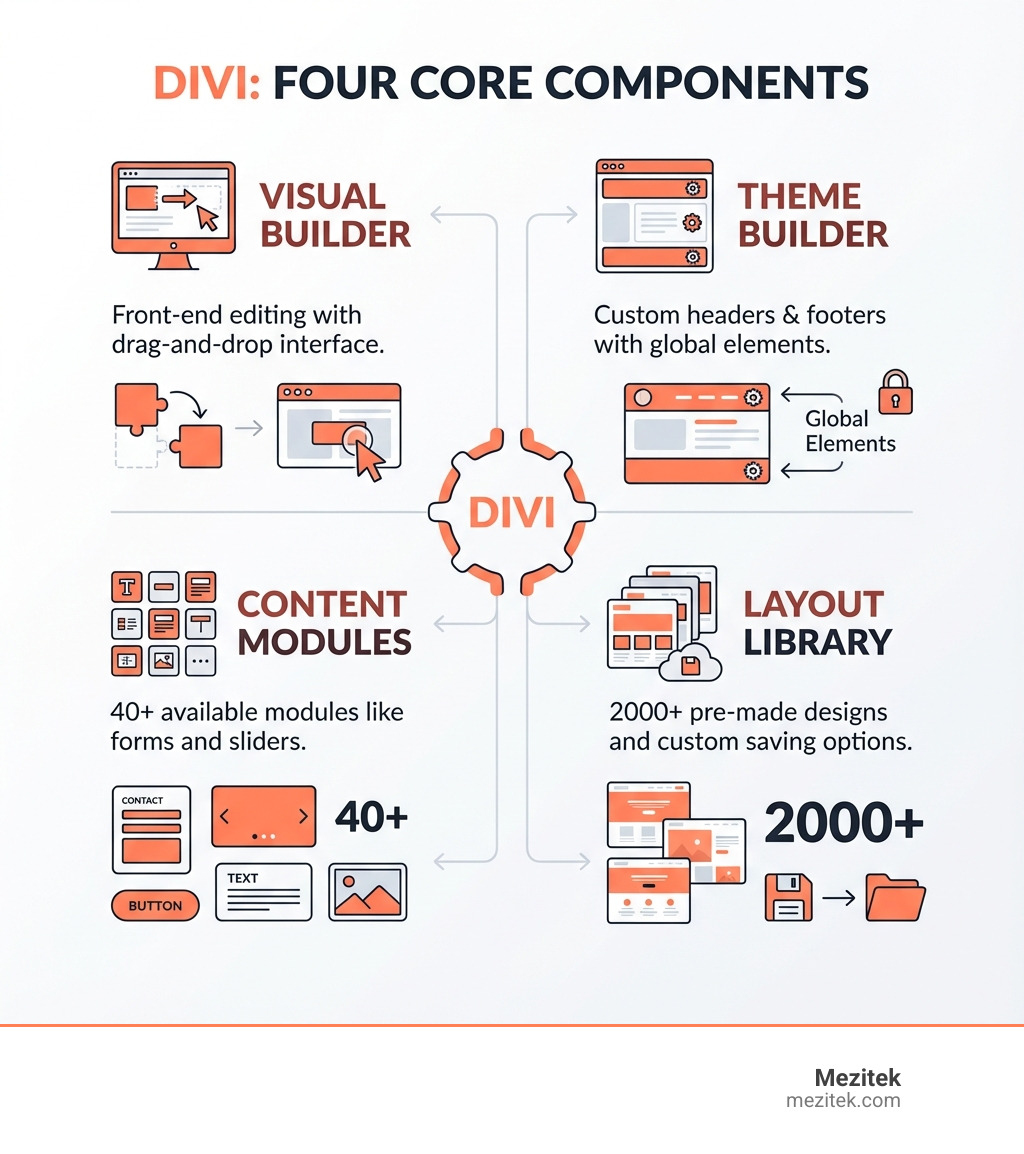
- Key components: Visual Builder (front-end editor), Theme Builder (headers/footers/templates), 40+ content modules, 2000+ pre-made layouts
- Best for: Freelancers, agencies, small businesses, and beginners seeking design control
- Pricing: $89/year or $249 lifetime (unlimited websites)
- Users: 974,872+ customers worldwide
- Created by: Neat Themes (now known as Neat Themes)
If you’re a freelancer or agency professional building client websites, Divi positions itself as a comprehensive solution. According to BuiltWith, it’s the most widely used premium WordPress theme in the world. But popularity doesn’t always equal the right fit.
The promise is compelling: design beautiful websites faster, build unlimited sites for clients on a single license, and avoid the headache of juggling dozens of plugins. But as one reviewer noted, the experience can vary dramatically. “I have used Wix, Squarespace, and WordPress,” writes one enthusiastic user. “Divi will be the best decision you make.” Meanwhile, another reviewer offered a “brutally honest” take, suggesting the interface is “clunky” and “confusing” for normal users.
So what’s the reality? This guide cuts through the marketing hype to give you a clear, balanced picture of what Divi actually does, who it works best for, and where it falls short.
Unpacking Divi: Core Functionality and the Visual Builder
The heart of the Divi theme lies in its visual, no-code approach to website building. It’s designed to empower users, from seasoned web designers to absolute beginners, to craft stunning websites directly from their WordPress dashboard. Let’s dig into how it achieves this.
The Visual Builder Experience
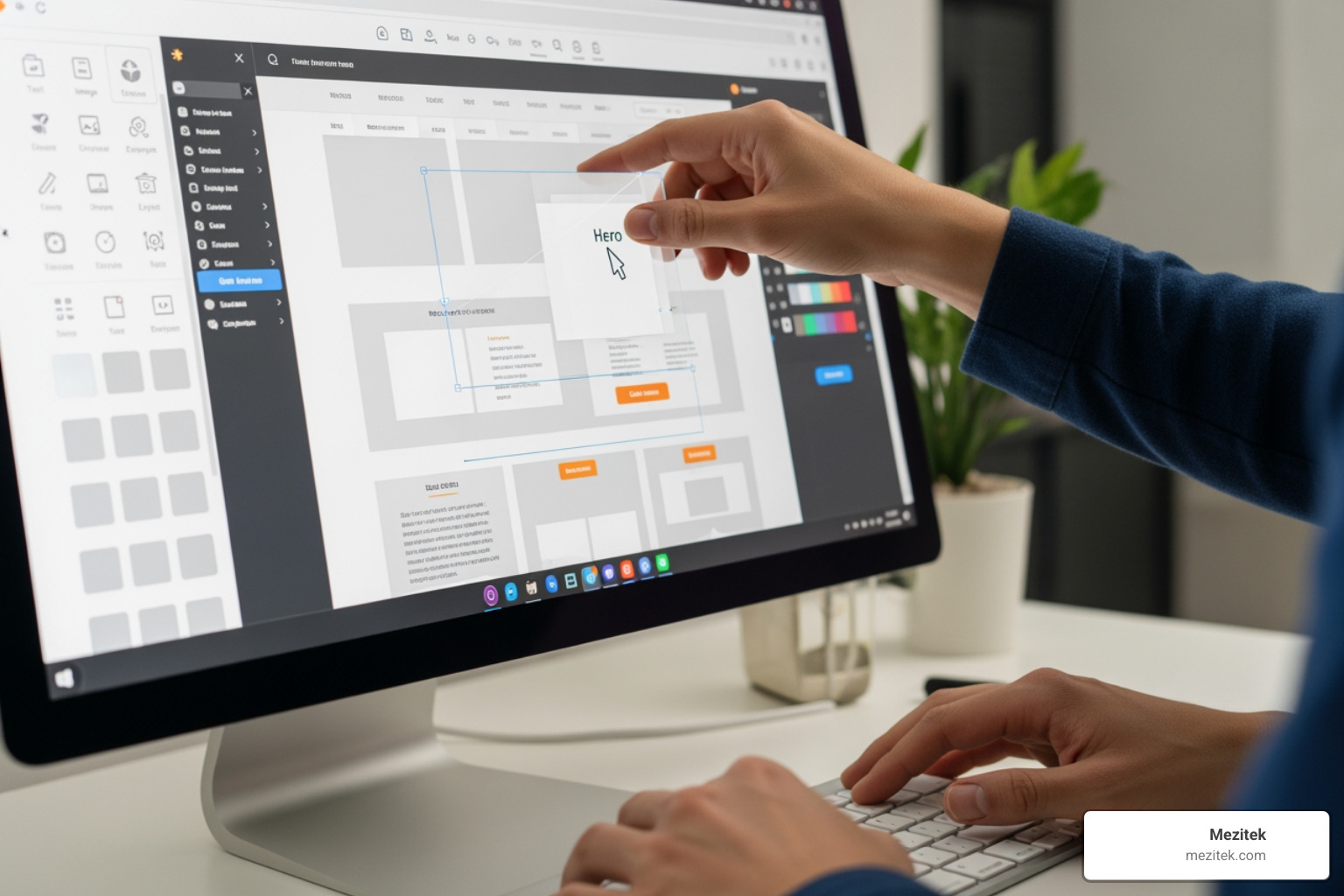
Imagine designing your website by simply looking at it and making changes right there on the screen. That’s the magic of Divi’s Visual Builder. It’s a true front-end editor, meaning you build and customize your pages on the live website, seeing every change in real-time. This eliminates the back-and-forth guessing game that often comes with traditional WordPress editing.
The drag-and-drop interface is incredibly intuitive. You can easily add, move, and resize elements with a few clicks. Want to change some text? Just click and type, much like you would in a word processor. This inline text editing makes content creation a breeze and provides instant feedback on your design choices. Neat Themes even offers a demo where you can Take The Visual Builder For a Test Drive yourself to experience this fluidity.
For us, this design efficiency is a game-changer. It means we can iterate quickly, experiment with layouts, and deliver polished designs to clients faster than ever before. It’s a stark contrast to the old way of building websites, and many agree it’s “how designing for the web is meant to be done.”
Full Site Editing with the Theme Builder
Beyond individual pages, the Divi theme truly shines with its Theme Builder. This powerful feature allows you to design every part of your website, not just the content areas. Think about custom headers, unique footers, and custom blog post templates that perfectly match your brand. No longer are you stuck with the default theme options; you have complete control.
We can create global elements, such as a contact section or a call-to-action banner, and apply them across multiple pages. If we need to update that element, we just edit it once, and the changes reflect everywhere. This consistency and efficiency are invaluable for managing multiple client sites.
The Theme Builder also extends to specific post types, like WooCommerce templates for online stores. You can design custom product pages or shop archives, ensuring a cohesive look and feel for your e-commerce operations. What’s more, Divi incorporates conditional logic, allowing us to display different headers, footers, or content templates based on specific conditions, like user roles, categories, or even specific pages. This level of granular control over Web Design is empowering for any freelancer or small business owner.
Content Modules and Layout Library
At the core of Divi’s flexibility are its content modules. The Divi theme comes packed with more than 40 Content Modules, covering everything you could possibly need for a modern website. These aren’t just basic text blocks; they include sophisticated elements like:
- Form Modules: For contact forms, opt-in forms, and more.
- Slider Modules: To showcase images or content dynamically.
- Gallery Modules: For beautiful image displays.
- Testimonial Modules: To highlight client feedback.
- Blurbs, pricing tables, newsletter opt-ins, and many more.
These modules allow us to build complex sections without writing a single line of code. They are highly customizable, offering a plethora of design options to match any brand aesthetic.
But what if you don’t want to start from scratch? Divi has you covered with an extensive layout library. While it comes with over 20 pre-made layouts right out of the box, the ecosystem boasts thousands of premade layouts and layout packs. These world-class designs often include original photos and graphics, ready for immediate use. You can import these .json layout files directly into your Divi library or webpage, then fill in your information and tweak the settings to your heart’s content.
For us, this library is a massive time-saver. We can quickly launch a professional-looking site for a client by choosing a relevant layout pack (e.g., for a restaurant, agency, or SaaS company) and then customizing it. We can also save our own custom layouts, sections, rows, and modules to the Divi Library, making them portable and reusable across different client projects. This understanding of What is a WordPress Theme and What Does it Do? truly comes alive with Divi’s capabilities.
Advanced Design and Responsive Controls
In today’s multi-device world, responsive design isn’t just a nice-to-have; it’s essential. The Divi theme makes building responsive websites remarkably easy. It’s responsive by default, adapting beautifully to various screen sizes. But Divi goes a step further, offering complete control over every design setting on each mobile device. This means we can fine-tune the appearance of elements specifically for desktops, tablets, and smartphones, ensuring a perfect user experience across all platforms.
Beyond responsiveness, Divi offers a treasure trove of advanced design features that add polish and interactivity to our sites:
- Animations: Easily add subtle or striking animations to any element, triggering them as visitors scroll.
- Hover Effects: Create engaging interactions by defining two versions of an element – standard and hover. Watch a video on hover effects to see how simple it is to add dynamic flair.
- Shape Dividers: Add custom shapes and effects to create dynamic transitions between content blocks, giving pages a unique visual flow.
- Parallax Scrolling: Implement gorgeous parallax effects on any section with just a few clicks, adding depth and engagement.
- Filters and Effects: Apply creative filters like Hue, Saturation, Brightness, Contrast, Invert, Blur, Opacity, and Sepia to elements and images directly within the builder, much like a graphic design program.
- Sticky Options: Make elements “stick” to the screen as users scroll, perfect for navigation or important calls to action.
- Transforms: Move, scale, rotate, and skew elements right on the page for truly unique layouts.
These fine-tuned controls allow us to deliver professional, modern, and engaging websites that captivate visitors and meet the highest design standards for our clients.
The Divi Ecosystem: Pricing, Support, and Integrations
Understanding the full picture of the Divi theme means looking beyond its features to the surrounding ecosystem. This includes how it’s priced, the support you can expect, the community that backs it, and how it integrates with other essential tools like WooCommerce.
Divi’s Pricing Structure
One of the most appealing aspects of Divi, especially for freelancers and agencies, is its straightforward and value-packed pricing model. Neat Themes offers two main options:
- Annual Access: For $89 per year, you get access to the Divi theme, all other Neat Themes products (like Extra, Bloom, and Monarch), ongoing updates, and premium support.
- Lifetime Access: For a one-time payment of $249, you receive lifetime access to everything included in the annual plan – Divi, all other products, updates, and support – forever.
Both plans come with a significant benefit: unlimited website usage. This means we can install Divi on as many websites as we need, including all our client sites, without incurring additional costs per site. This makes it incredibly cost-effective for anyone managing multiple projects. Neat Themes also stands by its product with a 30-day money-back guarantee, allowing us to try it risk-free. When considering How to Choose a Host for Your Website, Divi’s license flexibility can simplify your budget planning significantly.
Support, Community, and the Marketplace
Even the most intuitive tools can sometimes present a challenge, which is why robust support and a vibrant community are so vital. Divi excels here, offering 24/7 premium support to all its members. This ensures that if we ever run into an issue, help is always just a click away. Beyond direct support, an extensive library of Help Articles & FAQ Documentation is available, covering almost every aspect of using Divi.
The Divi theme also boasts an incredibly active and engaged community. With 75k members in the Divi Facebook Group alone, it’s a place where users share tips, ask questions, and help each other out. There are also Divi Meetups around the world, fostering real-world connections. This community aspect is a huge advantage, as it means a wealth of shared knowledge and resources is always at our fingertips.
Furthermore, the Divi Marketplace expands the theme’s capabilities even further. Here, we can find hundreds of third-party modules, child themes, and layouts created by independent developers and designers. This marketplace allows us to extend Divi’s functionality or find niche solutions for specific client needs, making the platform even more versatile.
Divi Theme vs. Divi Plugin Explained
It’s common for new users to wonder about the distinction between the Divi theme and the Divi Plugin. The difference is quite simple, yet important for flexibility:
- Divi Theme: This is the all-in-one solution. When you install the Divi theme, you get both the theme itself (which handles your site’s overall design, header, footer, etc.) and the Visual Builder functionality built right in. It’s designed to be a complete package for building your entire website.
- Divi Plugin: This is essentially the Divi Visual Builder offered as a standalone plugin. It allows you to use the powerful drag-and-drop builder with any other WordPress theme you might prefer. This offers incredible flexibility if you have an existing theme you love but want to leverage Divi’s page-building capabilities for specific pages or posts.
For us, this distinction means we have options. We can choose the full Divi theme for a completely custom build, or use the Divi Plugin to improve a client’s site that’s already running on a different theme. This flexibility is key when Choosing a WordPress Theme for a project.
E-commerce with WooCommerce Integration
For freelancers and small business owners building online stores, the seamless integration of the Divi theme with WooCommerce is a major advantage. Divi doesn’t just “work” with WooCommerce; it extends its visual builder capabilities directly to your shop and product pages.
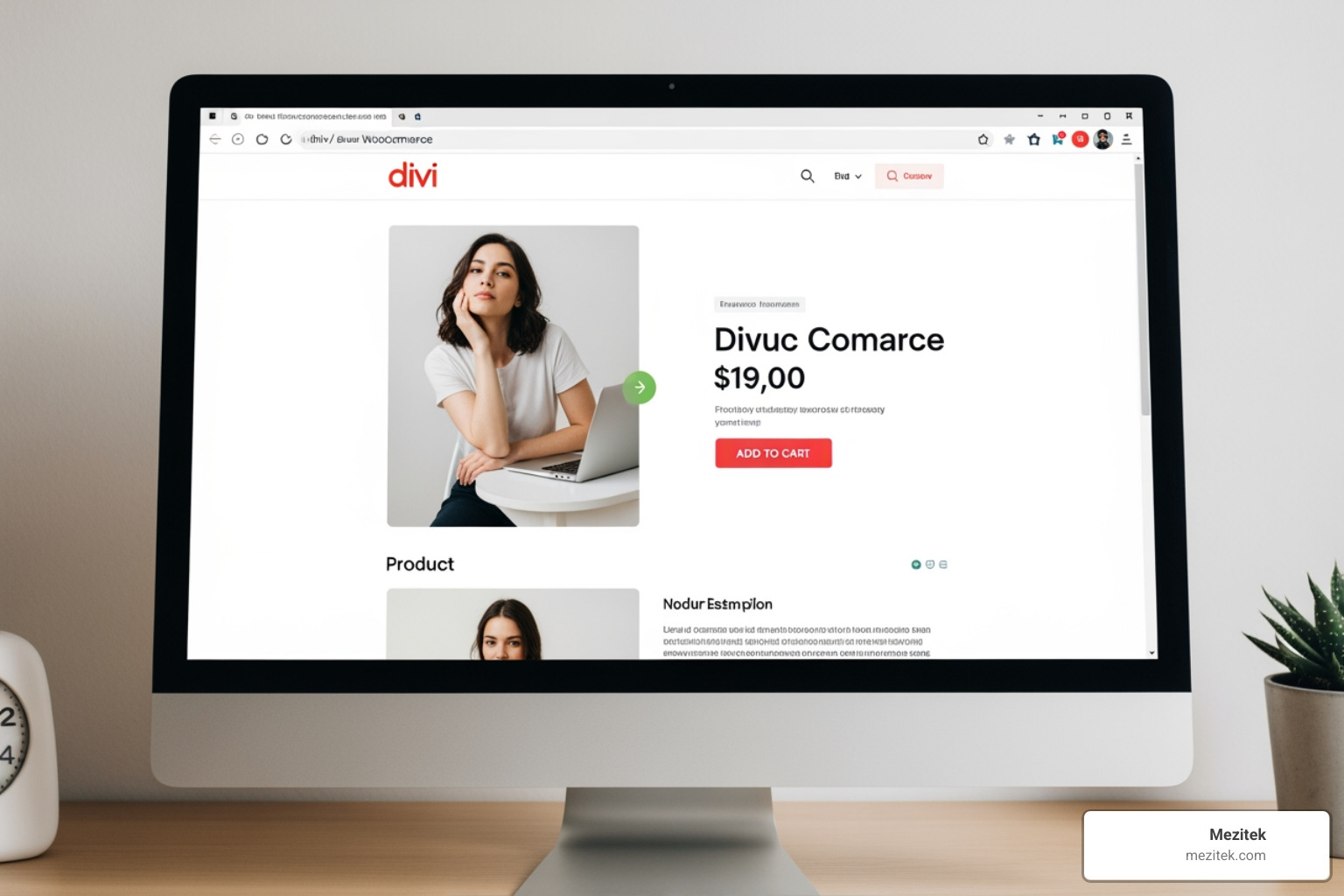
This means we can design custom product layouts, style the shop page, customize the cart and checkout experiences, and even design unique “My Account” pages – all using Divi’s intuitive drag-and-drop interface. This level of customization ensures that an e-commerce site doesn’t just function well, but also looks stunning and provides a cohesive brand experience from browsing to checkout. As Neat Themes puts it, “Selling with WordPress has never looked so good.” This integration is a testament to Divi’s comprehensive approach to Content Management Systems.
Is the Divi Theme Right for You? A Balanced Look
While the Divi theme offers a compelling suite of features, it’s important to consider if it aligns with your specific needs and workflow. No tool is perfect for everyone, and understanding both its strengths and potential limitations will help you make an informed decision.
Who is the Divi theme for?
The Divi theme casts a wide net, aiming to empower a diverse range of users. Based on our experience and the insights from the community, Divi is particularly well-suited for:
- Freelancers: If you’re building websites for clients, Divi can significantly streamline your workflow. Its visual builder, extensive layout library, and unlimited website usage license mean you can create professional sites faster and more efficiently.
- Agencies: For agencies managing multiple projects and teams, Divi helps standardize design processes, improve collaboration, and maintain brand consistency across various client sites. The global design features are especially useful here.
- Small Business Owners: If you want to take control of your online presence without hiring a developer or learning to code, Divi offers the tools to bring your vision to life.
- Beginners: With its no-code visual editor and thousands of pre-made designs, Divi lowers the barrier to entry for website creation. It allows beginners to build sophisticated sites without feeling overwhelmed by technical complexities.
- Non-Coders: This is Divi’s sweet spot. If you prefer to design visually and avoid writing code, Divi offers a powerful, intuitive environment.
- Designers Seeking Visual Control: For those with a keen eye for design but not necessarily coding expertise, Divi provides granular control over every visual element, allowing for pixel-perfect creations.
Essentially, if your goal is to How to Build a Website that looks professional and functions flawlessly, and you prefer a visual, drag-and-drop approach, Divi is a strong contender. It’s about empowering you to create without the traditional constraints of code.
Potential Drawbacks of the Divi theme
Despite its many advantages, it’s important to address the potential drawbacks of using the Divi theme. A “brutally honest” review highlighted some key concerns that we, as experienced builders, also recognize:
-
Shortcode Reliance and Theme Lock-in: One of the most significant criticisms of Divi is its underlying architecture’s heavy reliance on WordPress shortcodes. Unlike some other builders that primarily generate clean HTML and CSS, Divi embeds its designs within complex shortcodes. This can lead to “theme lock-in.” If you ever decide to deactivate Divi and switch to another theme, your pages may be “littered with shortcodes” that are no longer rendered, leaving behind a messy and unreadable site. While tools like Shortcode Cleaner Lite exist to help, it can be a considerable amount of work to rebuild or clean up your content. This is a fundamental difference from builders that work more directly with the Understanding the DOM.
-
Learning Curve for “Normal Users”: While promoted as easy for beginners, some users find Divi’s visual editor “clunky” and “confusing,” especially compared to other page builders. The sheer number of options and settings can sometimes feel overwhelming for those who aren’t accustomed to design tools or web development workflows. One reviewer even stated that the interface “is not the way people think” for average users, suggesting it might be better suited for more technically inclined designers or developers who appreciate fine-tuned control.
-
Performance Considerations: The power and flexibility of a comprehensive theme like Divi can sometimes come at a cost to site speed. With its large file size (the theme itself is around 9.7MB) and extensive features, Divi-built sites might require careful optimization, including robust caching and image compression, to ensure fast loading times. While Neat Themes is continuously working on performance improvements, it’s a factor to consider, especially for highly performance-sensitive projects.
These drawbacks don’t negate Divi’s strengths, but they are important considerations for any freelancer or business owner planning their website strategy.
Getting Started and Future Developments
Starting on your Divi journey is an exciting step towards open uping creative freedom in web design. Let’s look at how to get started and what the future holds for this powerful platform.
Installation and First Steps
Getting the Divi theme up and running is a straightforward process, much like any other premium WordPress theme. Once you’ve purchased your Neat Themes membership, you’ll download the Divi theme file. From there, you can follow our guide on Installing and Configuring a WordPress Theme.
After activation, you’ll find the Divi theme options panel in your WordPress dashboard, where you can configure global settings. However, the real fun begins when you dive into the Visual Builder. To build your first page, simply create a new page or post, enable the Divi Builder, and choose to “Build From Scratch” or “Choose A Pre-made Layout.”
For a quick start, we highly recommend using a pre-made layout. You can import these .json files directly into your page, and then easily customize the content, images, and colors to match your brand. As you design, remember to save your custom sections, rows, modules, or even entire layouts to the Divi Library. This allows for quick reuse across your site or even on other client projects, dramatically speeding up your workflow.
The Future of Divi
Neat Themes is known for its continuous development, and the future of the Divi theme looks bright with significant updates on the horizon. It’s no secret that they are working hard on Divi 5.0, which promises to be a major leap forward. While most non-technical users might not obsess over the technical details, the implications for performance and design capabilities are exciting.
Divi 5.0 is expected to bring substantial performance improvements, making websites built with Divi even faster and more efficient. Beyond performance, upcoming features like Divi AI and Divi Cloud are set to revolutionize how we design and manage websites. Divi AI will likely integrate artificial intelligence to assist with content creation, design suggestions, and optimization, while Divi Cloud aims to provide a seamless way to store, share, and manage design assets across all our Divi websites. This “new era of Divi is on the horizon,” promising even more powerful tools for our low-code web design arsenal. Keep an eye on updates from Neat Themes to stay ahead of the curve!
Conclusion
The Divi theme stands out as a robust and versatile solution for anyone looking to build professional websites on WordPress without delving into complex code. Its visual builder, comprehensive theme builder, and extensive library of modules and layouts empower freelancers, agencies, and small business owners to achieve stunning designs with remarkable efficiency.
While we’ve acknowledged potential drawbacks like shortcode reliance and the need for performance optimization, Divi’s strengths—its incredible flexibility, vast design options, strong community, and value-packed pricing—make it a compelling choice. For us at Mezitek, empowering builders with tools that offer creative freedom and streamlined workflows is paramount, and Divi certainly delivers on that front. It’s a powerful ally in WordPress, helping us turn design visions into reality.