Why Custom Web Design Matters for Your Business
A custom web design firm specializes in creating unique, tailor-made websites built specifically for your brand—not using generic templates. Here’s what they typically offer:
- Unique Brand Identity: Websites designed from scratch to match your specific vision and goals
- Custom Functionality: Features built specifically for your business needs
- Better Performance: Clean code optimized for speed and search engines
- Scalability: Flexible architecture that grows with your business
- Strategic Partnership: Ongoing support, SEO, and digital marketing services
Typical Investment: $10,000 to $100,000+ depending on complexity
Timeline: 2-6 months from findy to launch
Best For: Businesses seeking competitive advantage through a professional online presence
Your website is often the first impression potential customers have of your business. In a digital landscape where over 40% of all websites use the same handful of content management systems, standing out has never been more challenging—or more important.
The numbers tell the story. Web developer jobs are projected to increase by 13% between 2018 and 2028, driven by the continuous rise of e-commerce and the growing need for businesses to establish powerful online presences. This growth reflects a simple truth: businesses that invest in professional web design gain a measurable competitive edge.
But here’s the catch. Not all web design is created equal.
Template-based solutions might get you online quickly and cheaply. Custom web design builds you a strategic asset that drives real business results. The difference? A custom web design firm doesn’t just build websites—they architect digital experiences custom to your specific audience, goals, and brand identity.
For freelancers and small agencies, understanding this distinction is crucial. Whether you’re choosing to partner with a custom firm for client projects or deciding which approach to take for your own services, knowing what separates true custom work from themed templates helps you deliver better results and command appropriate pricing.
The Unmistakable Edge: Why Choose Custom Web Design
In today’s hyper-competitive digital economy, simply having a website isn’t enough. Your online presence needs to be a powerful, dynamic tool that works tirelessly for your business. This is where the unmistakable edge of a custom web design firm truly shines. Why look like everyone else when you can stand out?
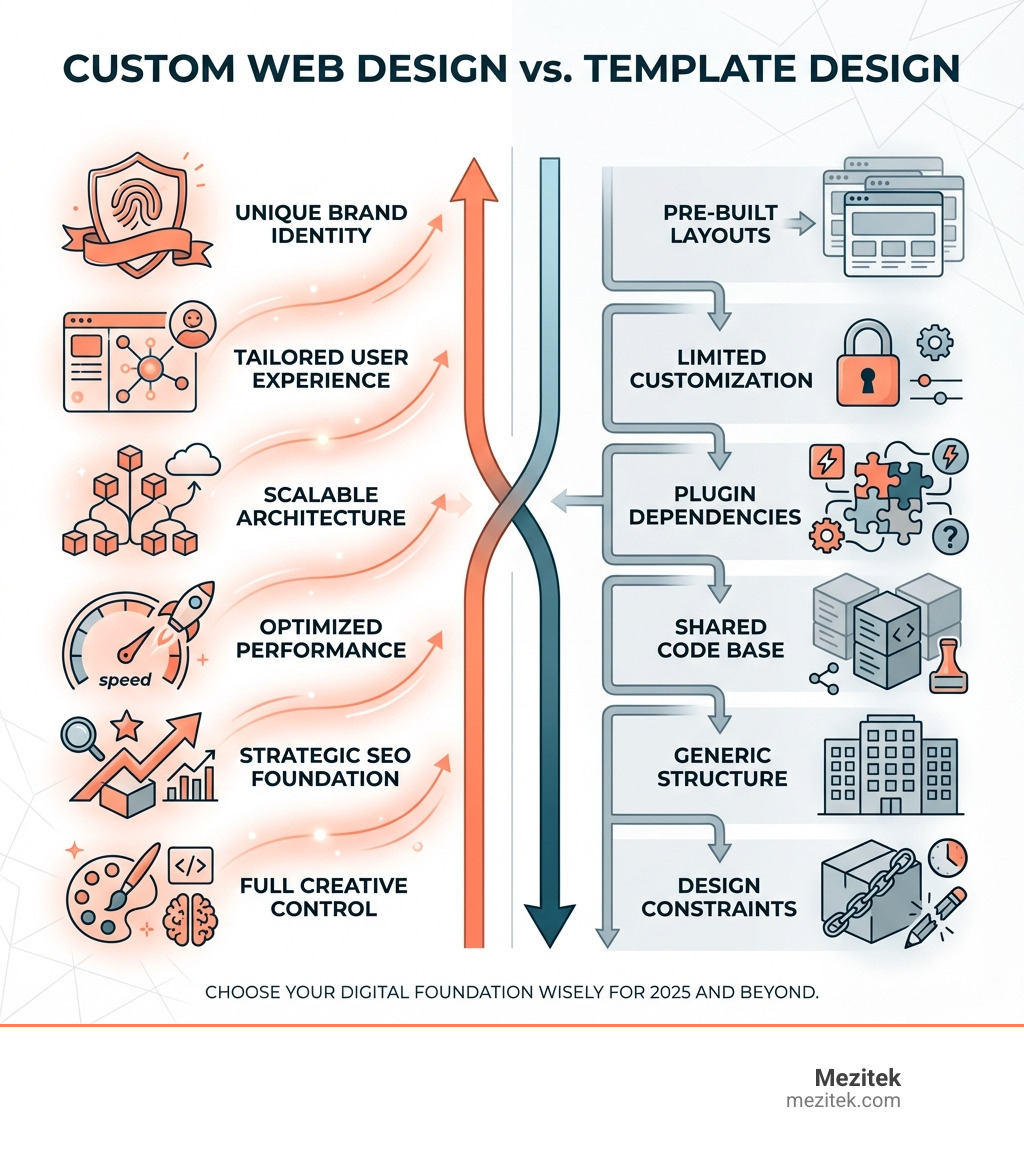
- Unique Brand Identity: A custom website is crafted from the ground up to reflect your brand’s unique personality, values, and vision. It’s not a generic layout tweaked with your logo; it’s an extension of your brand, ensuring you don’t look like your competitors. This uniqueness lends greater credibility, which is vital whether you’re fundraising, seeking acquisition, or simply making a strong first impression. As one expert put it, smart consumers can tell the difference between a poorly themed website and a custom-designed property.
- Custom User Experience (UX): A custom web design firm focuses on creating seamless, intuitive, and engaging user journeys custom to your specific audience. This means every interaction is meaningful and straightforward, guiding visitors toward conversion. An effective website is mobile-ready, user-friendly, and optimized for both users and search engines, telling your brand story and engaging customers. You can learn more about crafting effective user experiences with our UX/UI Basics guide.
- Scalability and Flexibility for Future Growth: Unlike template-based sites that can become “stitched-together solutions” as your business expands, a custom build offers a future-proof foundation. It’s built with modular architecture, allowing for easier updates, integrations, and effortless scaling as your needs evolve. This means your website can grow with you, rather than holding you back.
- No Creative Limitations: With a custom approach, your imagination is the only limit. There are no restrictions imposed by pre-existing themes or plugin bloat. You get to design specific pages or functionalities for unique purposes, like an e-commerce site selling specialized products, ensuring every element is molded to your exact requirements.
- Optimized for Conversions: A custom site isn’t just pretty; it’s engineered to drive results. Through thoughtful placement of design features, compelling calls-to-action, and streamlined user flows, a custom website can significantly increase lead generation and sales. For example, some custom e-commerce designs have led to 500% revenue growth, and others report 90%+ engagement rates.
- Improved Security: Custom-built websites often have a simpler, cleaner codebase compared to bloated themes with numerous plugins, which can reduce vulnerabilities. While no website is 100% immune, a custom approach allows for more control over security features and easier maintenance.
- Better Performance and Faster Load Times: Clean, efficient code and optimized assets are hallmarks of custom design. This leads to blazing-fast load times, which are crucial for user retention and search engine rankings. The average user will click off a website that takes longer than 3 seconds to load. A custom site is built to pass Core Web Vitals with flying colors.
- Competitive Advantage: A custom website helps you stand apart from your competition. It signals professionalism, attention to detail, and a commitment to quality that can significantly impact your marketplace success. As one agency noted, even basic improvements in website design can have far-reaching effects.
The Blueprint for Success: The Custom Web Design Process Explained
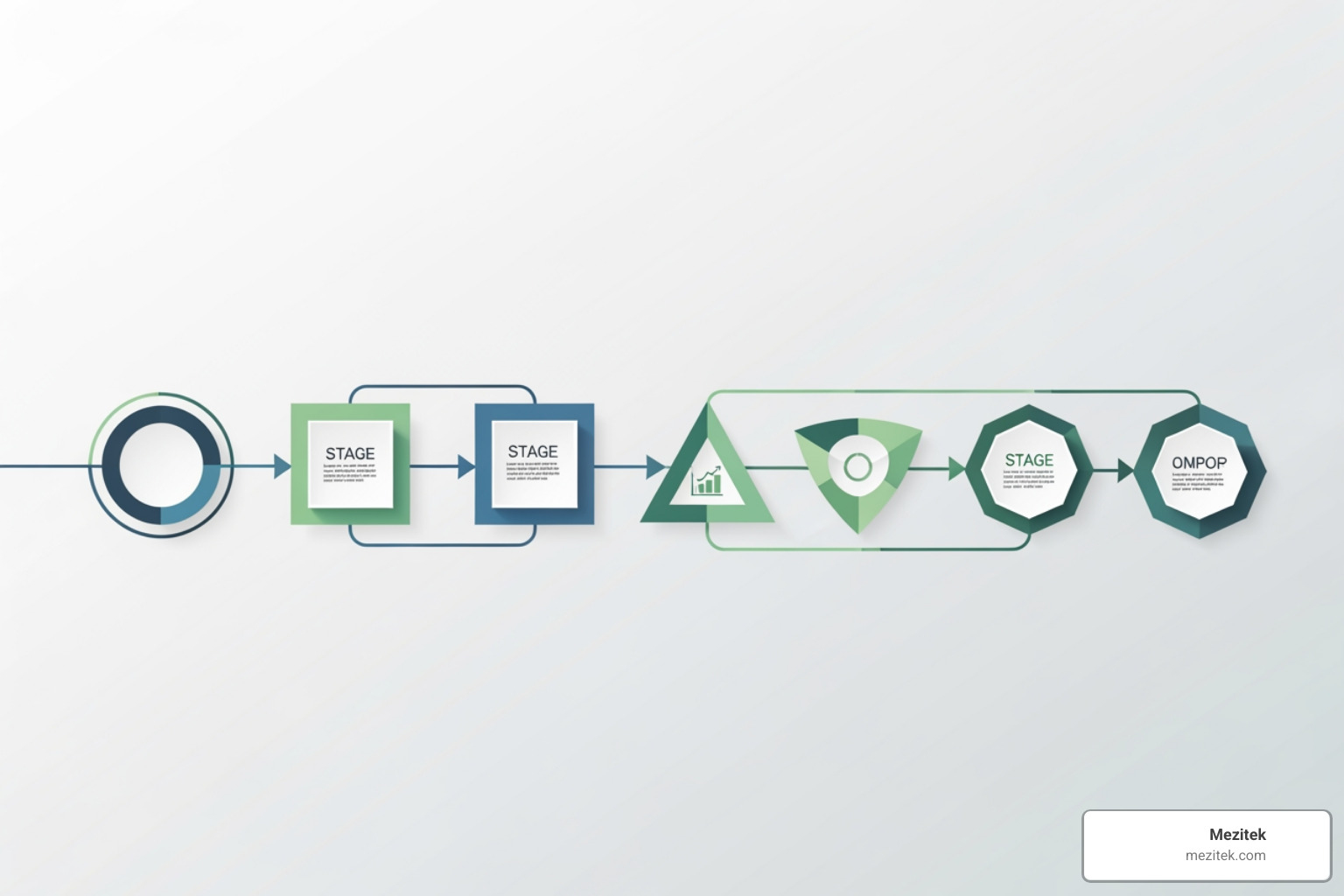
Engaging a custom web design firm means starting on a structured journey. This isn’t a “point and click” operation; it’s a collaborative process designed to deliver a custom, high-performing digital asset. Understanding this blueprint is key, whether you’re hiring a firm or building your own services.
1. Findy and Strategy
This initial phase is all about understanding you and your business. We start by asking a lot of questions—and we mean a lot!
- Initial Consultation: This is where we first connect. We’ll discuss your vision, current challenges, and what you hope to achieve with a new or redesigned website.
- Defining Goals and Objectives: What does success look like for this project? Is it more leads, increased sales, better brand awareness, or improved customer service? Clear, measurable goals are the bedrock of our strategy.
- Target Audience Research: Who are you trying to reach? Understanding your audience’s demographics, behaviors, and needs is crucial for designing an experience that resonates. This research helps us meet user intentions and map content effectively.
- Project Brief Creation: We’ll document all findings into a comprehensive project brief. This ensures everyone is on the same page and serves as a roadmap for the entire process.
- Establishing a Clear Web Strategy: Based on all the gathered insights, we’ll formulate a custom digital strategy. This isn’t just about what the website will do, but how it will fit into your broader business objectives and marketing efforts.
2. Architecture and Design (UI/UX)
With a solid strategy in place, we move into the creative and structural phase, translating ideas into a visual blueprint.
- Sitemap Creation: We’ll map out every page and section of your website, defining its overall structure and hierarchy. Think of it as the table of contents for your digital home.
- Wireframing Key Pages: Before any pretty colors or fonts, we create wireframes—skeletal layouts of key pages. This focuses on functionality and user flow, ensuring a seamless conversion funnel.
- User Flow Mapping: How will users steer your site to achieve their goals? We carefully map out these paths to ensure an intuitive and efficient experience.
- Creating Visual Mockups: Now for the fun part! Our designers will transform wireframes into visually impressive mockups, incorporating your brand’s aesthetics, color palettes, and imagery. We might even present multiple design concepts to explore different directions, from conservative to modern.
- Brand Integration: Every pixel, every font choice, every graphic element will be thoughtfully placed to guide the user journey and reinforce your unique brand identity. You can dive deeper into structuring your site effectively with our Best Practices for Website Architecture.
- Client Feedback and Revisions: Your input is invaluable! We present these designs for your review, and based on your feedback, we refine and revise until you’re thrilled with the direction. This iterative process is key to a successful custom design.
3. Development and Coding
Once the designs are approved, our developers roll up their sleeves and bring the visual concepts to life through code.
- Front-end Development (What Users See): This involves building the interactive elements and visual layout that users interact with directly in their browser—HTML, CSS, JavaScript, and other client-side technologies.
- Back-end Development (Server-side Logic): This is the engine room of your website, handling data storage, server-side applications, and databases. It ensures everything behind the scenes works seamlessly.
- CMS Implementation: We integrate a Content Management System (CMS) like WordPress, Shopify, or Magento, empowering you to easily update text, images, and forms without needing a developer. Understanding What is a CMS? Content Management Systems Explained is crucial for managing your site.
- Custom Feature Integration: This is where your unique requirements come to life. Whether it’s a specialized product configurator, an intricate booking system, or a custom CRM integration for automated lead capturing, we custom-code these functionalities.
- Ensuring Responsive Design for All Devices: A critical step is ensuring your website looks and functions perfectly across all devices—desktops, tablets, and smartphones. Up to 80% of website visitors may access your site first on a phone, so mobile-first optimization is non-negotiable.
4. Testing, Launch, and Optimization
The finish line is in sight, but a crucial stage remains to ensure everything is perfect.
- Quality Assurance (QA) Testing: Our QA team rigorously tests every aspect of the website—functionality, links, forms, content accuracy, and overall user experience—to catch any bugs or glitches.
- Cross-Browser Compatibility Checks: We ensure your site performs consistently across different web browsers (Chrome, Firefox, Safari, Edge) to guarantee a smooth experience for all users.
- Performance Testing: We run speed tests and optimize assets to ensure your site loads quickly and efficiently, contributing to better user experience and SEO.
- Content Migration: If you’re moving from an old site, we carefully migrate your existing content, ensuring all data is transferred accurately and efficiently.
- Final Deployment to a Live Server: Once everything is perfect and approved, we deploy your new website to its live server. This is the big reveal!
- Post-Launch Monitoring and Optimization: Our work doesn’t stop at launch. We monitor your site’s performance, track user behavior, and make ongoing adjustments to optimize for continuous improvement. Choosing a reliable host is paramount for this stage; get tips on How to Choose a Host for Your Website.
How to Choose the Perfect Custom Web Design Firm
Finding the right custom web design firm is like finding the right co-pilot for your digital journey—it’s crucial for success. Not all agencies are created equal, and a thorough vetting process can save you time, money, and headaches.

Key Factors for Vetting a Custom Web Design Firm
When you’re ready to choose a partner, here’s a list of critical questions and considerations:
- Ask About Their Process: How do they approach a project from start to finish? Do they have a clear, structured process like the one we outlined above? A well-defined process indicates professionalism and predictability.
- Review Their Portfolio and Case Studies: Look beyond pretty pictures. Does their portfolio showcase diverse projects relevant to your industry? More importantly, do they provide measurable results or case studies? Look for concrete data like “129% Organic Traffic increase” or “300% increase in Organic Web Traffic” – these tell a story of impact, not just aesthetics.
- Check Client Testimonials and Reviews: What are past clients saying? Look for consistent themes around communication, responsiveness, quality of work, and project management. Platforms like DesignRush or Clutch often host verified reviews.
- Evaluate Their Communication and Project Management Style: Will you have a dedicated project manager? How often will you receive updates? A good firm will over-communicate, ensuring you’re always in the loop.
- Assess Their Technical Expertise and Knowledge of Trends: Do they understand the latest in web technologies, mobile-first design, Core Web Vitals, and ADA compliance? Are they platform-agnostic, recommending the best solution for you, or do they push a single platform?
- Discuss Their Approach to SEO and Marketing: A beautiful website is useless if no one can find it. Does the firm integrate SEO from the ground up? Do they offer post-launch marketing services? A new site can’t do you much good if customers can’t find it!
What to Look for in Their Portfolio
A portfolio is more than just a gallery of past work; it’s a window into an agency’s capabilities and philosophy.
- Industry Relevance: Have they worked with businesses in your niche or a similar industry? This indicates they understand your unique challenges and audience.
- Quality of Design: Is the design clean, modern, and user-friendly? Does it reflect current best practices in UI/UX?
- Measurable Results and ROI: Again, look for evidence of success. Did their work lead to increased traffic, conversions, or revenue for their clients?
- Diversity of Work: A diverse portfolio shows versatility and an ability to adapt to different brand identities and project scopes.
- User Experience on Their Own Site: If their own website is clunky or outdated, that’s a red flag. They should be their own best case study!
Understanding the Investment and ROI
The cost of a custom website can vary widely, but viewing it as an investment, not just an expense, is key.
- Typical Investment Ranges: While templated websites might start in the low thousands, a truly custom website can range from $10,000 to $50,000 for simpler informational sites, and well over $100,000 for complex e-commerce or enterprise solutions. Hourly rates for agencies typically fall between $50 to $500.
- Factors Affecting Cost: The primary drivers of cost include:
- Complexity: The more intricate the design and functionality, the higher the cost.
- Number of Unique Pages: Each uniquely designed page adds to the development time.
- Custom Features: Bespoke integrations, databases, or interactive elements increase the investment.
- Backend Features & Integrations: Connecting to CRMs, ERPs, or other third-party tools adds complexity.
- Team Size and Experience: Highly experienced teams or larger agencies typically charge more.
- What’s Included in the Price: Clarify everything upfront. Does it include content creation, SEO setup, hosting for the first year, or post-launch support?
- How to Measure ROI: A custom website should pay for itself through increased business. Metrics to track include:
- Leads: Number of inquiries, form submissions, or calls.
- Sales/Conversions: Direct purchases, subscriptions, or goal completions.
- Traffic: Organic visitors, time on site, bounce rate.
- Brand Perception: Improved credibility and market positioning.
- Operational Efficiency: Automation of tasks, reduced customer service time.
- Long-Term Value vs. Short-Term Cost: While the initial outlay might be higher than a template, a custom site’s longevity, scalability, and ability to generate consistent revenue often provide a far greater return on investment over time. It’s built for long-term success, not just a quick launch.
Maximizing Your Digital Footprint: How Custom Design Fuels Growth
A custom website isn’t just an online brochure; it’s a powerful engine for business growth. A well-designed site by a custom web design firm integrates seamlessly with your overall marketing strategy, amplifying your online presence and driving measurable results.
How a Custom Web Design Firm Boosts Your SEO
Search Engine Optimization (SEO) isn’t an afterthought for a custom site; it’s baked into its very foundation.
- Clean, Crawlable Code Structure: Custom websites are built with clean, semantic code that search engine spiders can easily read and index. This foundational optimization helps search engines understand your content better.
- Custom Metadata: A firm can implement precise Title and Meta Descriptions for every page, ensuring your search listings are compelling and accurately reflect your content, improving click-through rates.
- Faster Page Speed: We’ve emphasized this before, but speed is a major ranking factor. Custom sites are optimized for performance, leading to quicker load times and a better user experience, which Google rewards.
- Mobile-First Optimization: With Google prioritizing mobile-friendly sites, a custom approach ensures your website is responsive and delivers an excellent experience on any device, directly impacting your organic traffic and rankings.
- Strategic Internal Linking: A custom site’s architecture allows for strategic internal linking, distributing “link juice” across your pages and helping search engines find and rank your most important content.
- Image Optimization Best Practices: From proper file formats to descriptive alt text, images on a custom site are optimized to improve load times and provide additional SEO value.
The impact can be significant: agencies report clients seeing 150% increases in total users, 138% boosts in organic clicks, and 32.4% rises in organic search sessions. This isn’t magic; it’s meticulous design and development.
Services Beyond the Build
A top-tier custom web design firm offers a suite of services that extend far beyond the initial website build, acting as a true digital partner.
- Ongoing Website Maintenance: Websites need regular care and feeding. This includes security updates, bug fixes, performance monitoring, and content updates to keep your site running smoothly and securely.
- SEO and Content Marketing: Beyond the initial SEO setup, many firms offer continuous SEO services, keyword monitoring, and content strategy to ensure your site continues to rank well and attract your target audience. This might include blog posts, articles, and other valuable content.
- Branding and Identity Design: If you’re a new business or undergoing a rebrand, a full-service firm can assist with logo design, brand strategy, and guidelines, ensuring a cohesive identity across all your digital touchpoints.
- Conversion Rate Optimization (CRO): This involves continuously analyzing user behavior and making data-driven adjustments to your website to improve the percentage of visitors who complete a desired action, like making a purchase or filling out a form.
- Email Marketing Integration: Integrating your website with email marketing platforms allows for seamless lead nurturing, customer communication, and automated campaigns, turning visitors into loyal customers.
- Digital Marketing Strategy: From Pay-Per-Click (PPC) campaigns and social media marketing to influencer outreach, a comprehensive firm can develop and manage a full digital marketing strategy custom to your goals.
- Web Accessibility Services: With a growing focus on inclusivity, many firms now offer services to ensure your website meets ADA compliance and other accessibility standards, making it usable for everyone.
Frequently Asked Questions about Custom Web Design
We understand you probably have a few questions swirling in your head. Let’s tackle some of the most common ones we hear when discussing working with a custom web design firm.
How much does a custom website cost?
Ah, the million-dollar question (sometimes literally!). The cost of a custom website is highly variable, much like building a custom home. It depends heavily on:
- Complexity: Simple informational sites are less expensive than complex e-commerce platforms with intricate features.
- Number of Unique Pages: Each page that requires a unique design and layout adds to the overall cost.
- Custom Features: Any bespoke functionality, integrations with third-party software (like CRMs or ERPs), or interactive elements will increase the price.
- Agency’s Expertise and Location: Top-tier agencies with extensive experience and proven results often command higher fees.
While some basic custom sites might start around $10,000, more complex projects can easily range from $50,000 to over $100,000, and even up to $400,000 for enterprise-level solutions. Hourly rates for agencies typically fall between $50 to $500.
Our best advice? Focus on the value and potential return on investment (ROI), not just the initial price tag. A well-built custom site should generate more business than it costs. Always get a detailed quote that outlines everything included.
How long does it take to build a custom website?
Patience, young padawan! Building a quality custom website is a marathon, not a sprint. The timeline is directly correlated to the project’s scope and complexity.
- Standard Informational Site: For a website with a few unique pages and standard functionality, you can typically expect a timeline of 2 to 4 months from initial consultation to launch.
- E-commerce or More Complex Sites: If you need an online store with product catalogs, payment integrations, and custom user accounts, or a site with bespoke interactive features, the process can extend to 4 to 6 months.
- Enterprise-Level Platforms: Large-scale projects with extensive custom development, multiple integrations, and complex data structures can easily take 6 months or longer.
Factors like your responsiveness in providing feedback and content also play a significant role in how quickly a project progresses. It’s a collaborative dance!
What is the difference between web design and web development?
This is a common point of confusion, but we can clear it up! Think of it like building a house:
- Web Design (The Architect & Interior Designer): This focuses on the aesthetic and user experience. It’s about how the website looks, feels, and how users interact with it. A web designer creates the visual layouts, color schemes, typography, imagery, and ensures the user interface (UI) is intuitive and the user experience (UX) is seamless. They are responsible for the site’s branding, visual appeal, and overall usability.
- Web Development (The Builders & Engineers): This is the technical side, the coding that brings the design to life and makes it functional. Web developers write the code (HTML, CSS, JavaScript, PHP, Python, etc.) that makes the buttons clickable, the forms submittable, and connects the website to databases and servers. They handle the front-end (what the user sees, but coded) and the back-end (the server, applications, and database that make it all work).
Both are absolutely essential for a successful website. A beautiful design without functionality is just a picture, and a functional site without good design is difficult to use. A good custom web design firm will have experts in both disciplines working together.
Conclusion
We’ve journeyed beyond the pixel, exploring the profound impact a custom web design firm can have on your business. We’ve seen how a unique brand identity, custom user experience, and robust scalability provide an unmistakable edge in today’s digital economy. We’ve demystified the intricate process from initial strategy to post-launch optimization, and armed you with the knowledge to choose the perfect partner.
A custom website isn’t just a digital asset; it’s a long-term investment in your brand’s success. It’s a strategic tool designed to fuel growth, boost your SEO, and convert visitors into loyal customers. The right custom web design firm acts as a strategic partner, guiding you through the complexities of the digital landscape and building a platform that truly works for you.
While hiring a firm is ideal for many businesses seeking a competitive advantage, we also believe that small businesses and freelancers can achieve stunning results with the right tools and knowledge. At Mezitek, we’re passionate about empowering you to steer web design, whether you’re building your own site or offering services to clients. We offer a wealth of resources for web design to help you build a professional online presence.